The World's Supply of Soft Drinks, Candy, and Face Creams Depend on the Outcome in Sudan
April 10, 2025 - Today, the International Court of Justice (ICJ) held a hearing concerning allegations made by Sudan related to the ongoing humanitarian crisis in West Darfur. While legal proceedings continue, the larger issue at hand is clear: rising instability in Sudan has created ripple effects with global consequences, from displacement and violence to serious disruptions in trade and economic cooperation.
Since 2023, over 24,000 lives have been lost and more than 14 million people displaced in the region. But this crisis isn’t just a distant tragedy it has a direct impact on American businesses and supply chains.
Why Stability in Sudan Matters to the U.S. Economy
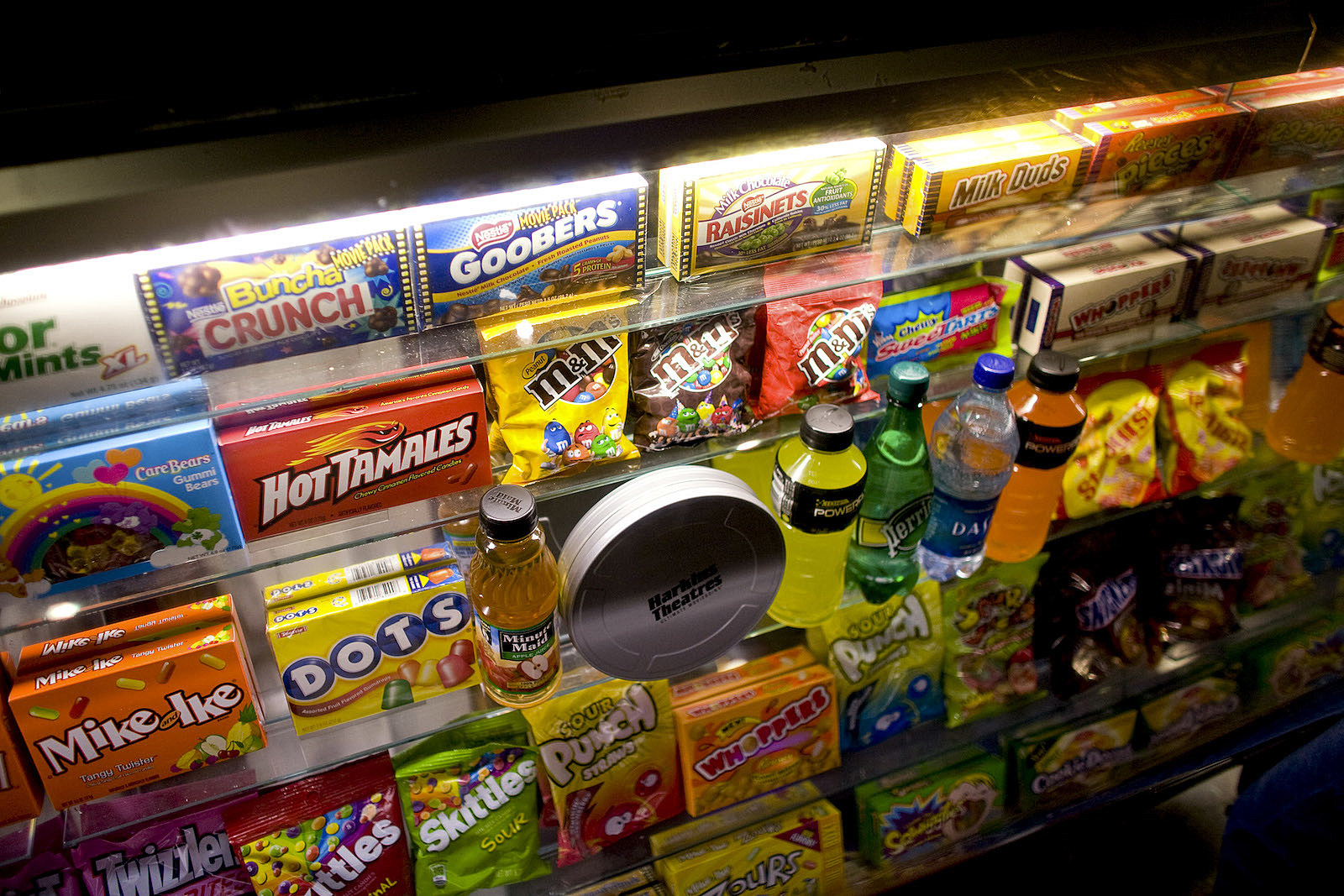
Sudan plays a strategic role in global trade, particularly through the export of essential goods like gum Arabic, a key ingredient used by American companies in soft drinks (like Coke and Pepsi), candies (like M&Ms and Gummy Bears) snack bars (like Clif Bar and Nature Valley) multivitamins, cough syrups, face creams, and even chewing gum. Sudan supplies nearly 70–80% of the world’s gum Arabic, and ongoing violence has severely restricted production and trade. This has led to price volatility, procurement risks, and uncertainties for U.S. manufacturers.
In addition to raw materials, the region also serves as a growing market for American agricultural and industrial exports. When governments collapse or infrastructure is destroyed, those markets close. That hurts American farmers, manufacturers, and supply chains. Conflict and instability don’t stay contained they disrupt global commerce and pose long-term threats to our economic resilience.
The Strategic Value of U.S. Foreign Aid
That’s why American foreign aid, now centrally managed through the State Department, is no longer viewed solely through a humanitarian lens. It is an essential element of national security and economic strategy. Aid is targeted to reduce instability, open markets, and create conditions where American trade can thrive.
Investing in development abroad through education, infrastructure, and basic services helps prevent conflicts from escalating. It allows the U.S. to shape stable partnerships, reduce the need for costly military interventions, and maintain access to vital resources and trade flows.
Security Through Stability
While international legal bodies pursue their own actions, America continues to focus on pragmatic outcomes. Strengthening diplomatic ties, delivering targeted aid, and investing in conflict prevention are strategies that protect both American interests and global peace.
Organizations like The Borgen Project support these efforts by working with Congress to promote strategic investments in foreign aid. This isn’t charity, it’s smart policy that enhances America’s leadership, keeps supply chains moving, and ensures global challenges don’t become domestic crises.
To learn more about supporting U.S. foreign policy that advances humanitarian goals while improving national security and economic stability in the United States visit borgenproject.org.
Max Kurzweil is a junior at Muhlenberg College, class of 2027, pursuing a double major in Political Science and Business Administration. He previously served as a Political Affairs Intern and Ambassador for The Borgen Project, where he supported initiatives focused on poverty reduction and sustainable development as part of a balanced approach to American foreign policy and global engagement. He will begin serving as a Regional Director with The Borgen Project in January 2026.


Comments
Post a Comment